You brought her to stop the questions. Somewhere between the speeches and the third dance, the two of you stopped performing and neither has said so out loud. That is the whole appeal of fake dating: the excuse to touch, the audience that makes it necessary, and the moment the excuse stops being needed.
What the scene gives you
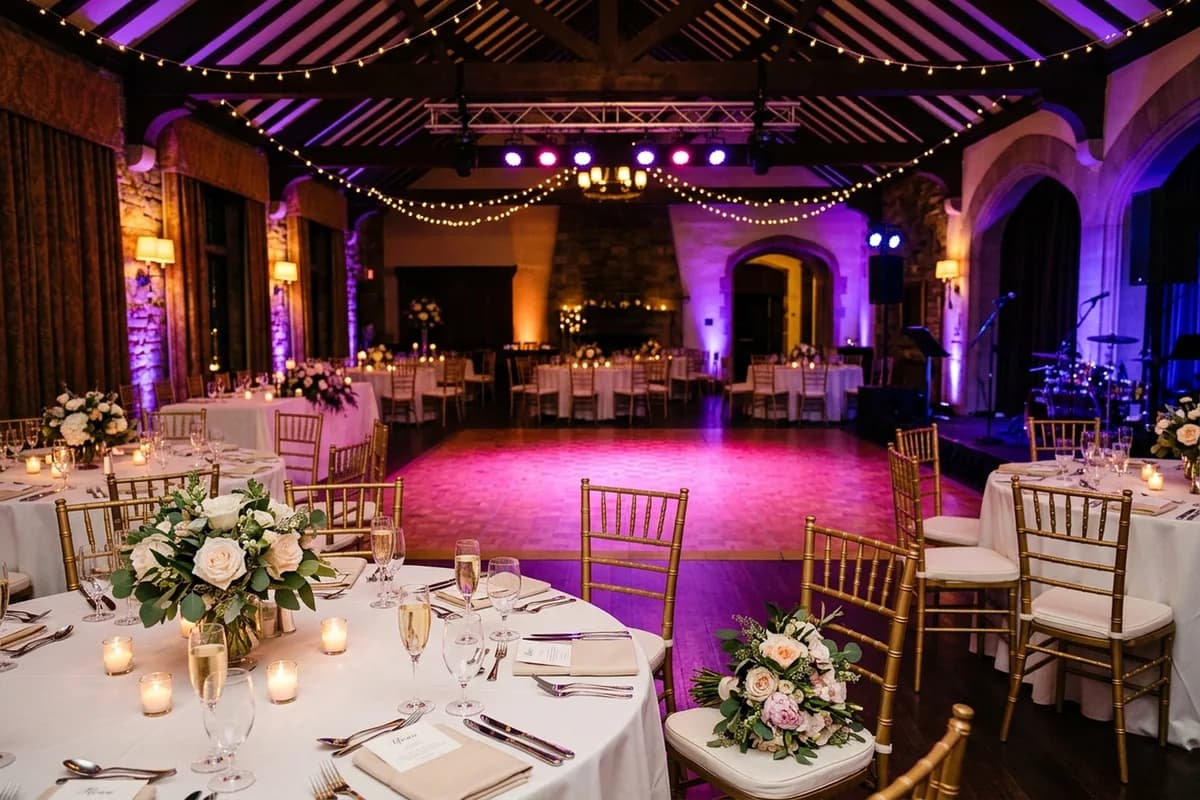
Your cousin's wedding reception. You have been holding hands and selling it all night. She is your fake girlfriend for the evening, playing the part a little too well, and you are the date she agreed to pretend with.
The character opens the scene already inside the pretence. You do not have to set it up or explain the arrangement first.
Pick who is pretending with you
The premise is fixed. Who agreed to it changes what the pretending feels like.
Why the trope works
Fake dating puts two people in a situation where affection is required and deniable at the same time. Every touch has an alibi. That tension is why the trope has outlived a hundred romantic comedies, and it is why the scene keeps moving even if you say very little.
Nobody has to confess anything for it to be charged. That is the point.
Build the person you are pretending with
If you have a particular person in mind for the role, build the character first and the wedding opens on them. Looks, personality, how convincingly they play it: yours to set.